
Equine Therapy
Equine Therapy
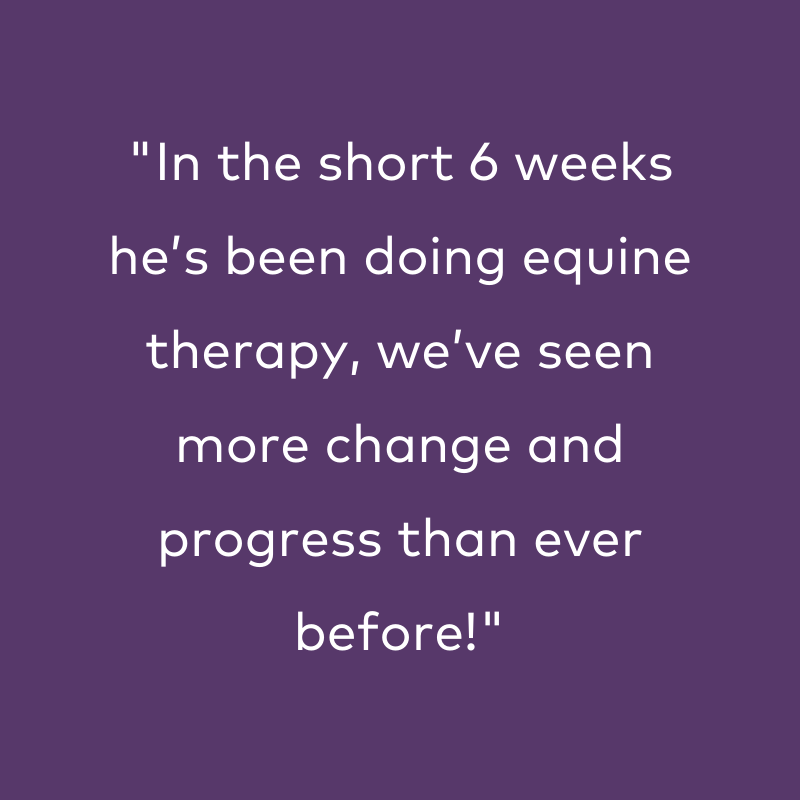
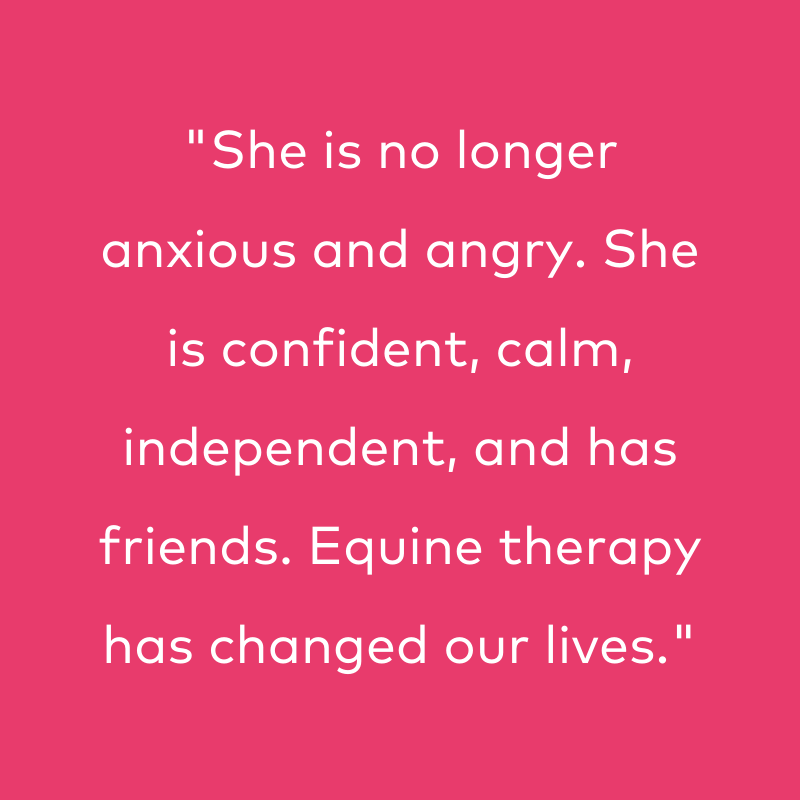
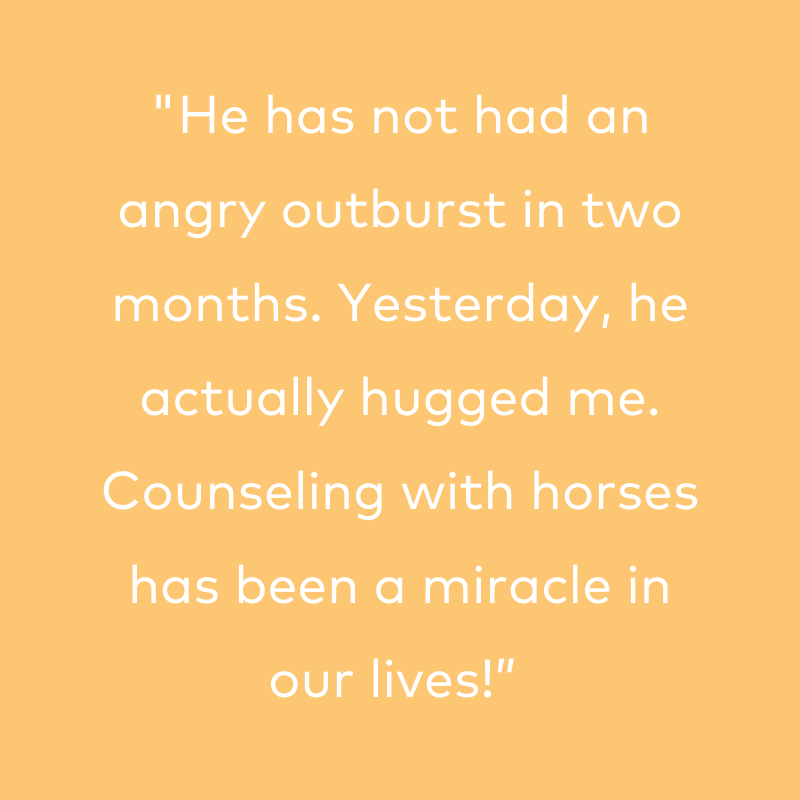
Equine therapy helps develop emotional regulation, confidence, trust, and healthy relationships through a meaningful partnership with horses. At The Phoenix Center, a professionally trained team partners with horses to create experiences that foster connection, curiosity, and resilience.
WHY HORSES?
Horses naturally respond to human emotions and behavior without judgment, providing honest and immediate feedback that helps identify patterns, opportunities to practice new ways of communicating, and develop greater self-awareness. For many individuals, these experiential moments are instrumental in making emotional growth tangible, memorable, and deeply personal.
Horses respond to what they see, smell, and feel, providing the team and the individual with information about what is happening in the moment. It can unlock sensations, emotions, and thoughts that a client might be hiding, even from themselves, giving viable material to work with towards healing. The development of these skills positively shapes their future at home, in school, at work, and in relationships by helping them discover strengths, build resilience, and navigate challenges with confidence.
EQUINE THERAPY BENEFITS (research-based findings):
Improved symptoms of PTSD, anxiety, and depression
Decreases levels of cortisol (the stress hormone)
Improves self-esteem
Fosters healthy relationships, positive communication, and social skills
At the Phoenix Center, we use Natural Lifemanship, a trauma-informed model that integrates neurobiology with relationship science. Each session is co-facilitated by a licensed mental health professional and a certified equine specialist, ensuring a safe and supportive environment.
Unlike traditional horsemanship, where the focus is on training the horse, the equine program at Phoenix Center prioritizes connection, trust, and emotional safety as the foundation of all interactions. This trauma-informed model mirrors healthy human relationships by emphasizing mutal respect and attunement.
Focus: Building a relationship rooted in trust, safety, and connection.
Methods: Honoring the horse’s autonomy while maintaining clear, safe boundaries, encouraging cooperation rather than compliance.
Perspective: The horse is seen as a sentient partner with unique needs and emotions, making the relationship a two-way dynamic.
Questions: email info@phoenixtx.org.
THE VISION